House of Commons Hansard #168 of the 45th Parliament, 1st session. (The original version is on Parliament's site.) The word of the day was debt.

Topics

line drawing of robot

This summary is computer-generated. Usually it’s accurate, but every now and then it’ll contain inaccuracies or total fabrications.

Non-regression of Environmental Protection Laws Act First reading of Bill C-296. The bill establishes a process to assess and document the climate, biodiversity, economic and human impacts of proposed changes that weaken environmental protections. 200 words.

National Framework on Fetal Alcohol Spectrum Disorder Act First reading of Bill S-234. The bill establishes a national framework for fetal alcohol spectrum disorder, aiming to strengthen prevention, awareness, research, diagnosis, coordination and support for people affected. 200 words.

Financial Statement of Minister of Finance Members debate Budget 2026, including Liberal arguments for affordability supports, housing, infrastructure, business investment and economic resilience, and opposition concerns about deficits, debt servicing, accounting practices and value for money. Speakers also discuss health transfers, immigration levels, energy and forestry policy, rural services, cadet programs and major projects such as Alto, while differing over whether the budget’s investments justify its borrowing. 42100 words, 5 hours in 2 segments: 1 2.

Statements by Members

Question Period

The Conservatives attack Liberal spending and deficits, warning of rising debt and inflation, and criticize the government’s housing record and immigration policies. They raise concerns about crime and public safety, agricultural research cuts, and Chinese influence in telecommunications and defence. They also demand accountability over the Stellantis plant sale and foreign spending on Brazil’s rainforest.
The Liberals promote the budget’s investments in housing and affordability, fiscal strength, productivity and support for workers and businesses. They highlight major infrastructure and electrification projects, defend immigration and efforts to combat crime, and point to farm and food-security investments, climate action, and support for Canadian industries facing tariffs.
The Bloc urges safeguards against climate-policy backtracking, calling for transparency and parliamentary scrutiny of decisions affecting the environment. It also condemns Bill C-39 as granting permanent powers that could bypass environmental laws, weaken workers’ rights, and sideline Indigenous peoples.
The NDP criticize weakened climate safeguards and corporate favoritism through telecom and airport privatization and secret Stellantis deals.

Financial Statement of the Minister of Finance Members debate Budget 2026, including its deficits, debt and fiscal transparency, and the government’s investments in business productivity, innovation, housing, homelessness, affordability and culture. Conservatives criticize borrowing, debt-service costs, food insecurity and foreign spending, while Liberals defend the budget’s growth and social measures. Members also raise Quebec’s health transfers and asylum-seeker costs, wildfire management, youth climate programs and ferry funding. 5300 words, 40 minutes.

Stand on Guard Act Second reading of Bill C-270. The bill amends the Criminal Code to presume that someone who knowingly and unlawfully enters an occupied home intends to use force, and that force used by a resident in response is reasonable, subject to contrary evidence. Conservatives say it would clarify protections and reduce legal burdens for people defending their families; Liberals and the Bloc argue existing self-defence law is adequate and warn the presumption could justify disproportionate violence. 7600 words, 1 hour.

Adjournment Debates

Access to health care Helena Konanz says Canadians face family-doctor shortages, long specialist waits and unreliable rural emergency services, citing closures and lost neurologists in her riding. Maggie Chi points to federal investments in health infrastructure, mental health and home care, workforce planning and health-data connectivity, while stressing coordination with provinces and territories.
Grocery affordability and debt Pat Kelly says rising grocery prices, including turkey, reflect the government’s economic mismanagement and argues Budget 2026 adds excessive debt without easing household pressures. Parliamentary Secretary Tom Osborne cites affordability benefits and investments, and says Canada has the G7’s strongest fiscal position. Kelly rejects the government’s assurances; Osborne challenges Conservatives’ support for affordability programs.
Was this summary helpful and accurate?

The EnvironmentOral Questions

2:25 p.m.

Bloc

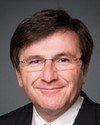
Yves-François Blanchet Bloc Beloeil—Chambly, QC

Mr. Speaker, the Liberals have never understood that fixing one mistake with another does not work.

Bill C-296 will not prevent Canada from passing laws, but it will prevent it from doing so behind closed doors when those decisions affect the environment. Indeed, it is the people of Quebec who bear the brunt of these decisions. Forest fires, floods, the expansion of flood zones, tornadoes, extreme weather, and the rising cost of living are examples of this.

This legislation requires the government not to back down on climate issues, but rather to move forward. To refuse it is to reserve the right to keep moving backward.

How can the government be against this legislation?
The EnvironmentOral Questions

2:25 p.m.

Gatineau Québec

Liberal

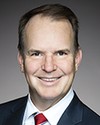
Steven MacKinnon LiberalMinister of Transport and Leader of the Government in the House of Commons

Mr. Speaker, let me tell the leader of the Bloc Québécois about the energy study conducted by the Trottier Family Foundation. Electrification has the potential to generate significant gains for Quebec's economy. If the supply of electricity increases in step with demand, without any rate shocks, the electrification of Quebec's economy is a win-win scenario. When households, businesses and government agencies use more electricity, produced in Quebec, it stimulates economic activity.

The Bloc Québécois should rise and vote in favour of the Alto project.

Immigration, Refugees and CitizenshipOral Questions

2:25 p.m.

Conservative

Costas Menegakis Conservative Aurora—Oak Ridges—Richmond Hill, ON

Mr. Speaker, the Liberals have lost total control of immigration to our country. Now they are planning a staggering 662,000 new permanent residents in the coming year. That is an all-time Canadian record at a time when young Canadians are locked out of the housing market, youth unemployment is surging and hospital wait times, listen to this, are nearly 30.7 weeks long.

Why is the Prime Minister hiding a record 662,000 permanent residents in the budget instead of fixing the problems he created in housing, in jobs and in health care?

Immigration, Refugees and CitizenshipOral Questions

2:30 p.m.

Halifax West—Peggy’s Cove Nova Scotia

Liberal

Lena Metlege Diab LiberalMinister of Immigration

Mr. Speaker, I am proud of our immigration plan, which keeps our levels stable, predictable, sustainable and growing our economy. All the other side wants to do is oppose. The Conservatives want to oppose giving provinces more freedom to retain valuable workers. They want to oppose doing the right thing for Ukrainians and Hong Kongers. They want to oppose welcoming doctors and top researchers. They want to oppose giving rural communities the flexibility to thrive. Immigration policy is economic policy, and the other side does not get it.

Immigration, Refugees and CitizenshipOral Questions

2:30 p.m.

Conservative

Michelle Rempel Conservative Calgary Nose Hill, AB

Mr. Speaker, Statistics Canada data shows that young men aged 18 to 34 now vastly outnumber young women in 40 of Canada's 41 biggest cities. In Windsor, it is 127 men for every 100 women. That ratio is worse than China's gender imbalance after their one-child policy. Meanwhile, youth unemployment is at record high levels. Immigration data confirms how it happened. The Prime Minister has invited far more young men than women to Canada.

Can the immigration minister explain why she has allowed this massive gender imbalance to happen?

Immigration, Refugees and CitizenshipOral Questions

2:30 p.m.

Halifax West—Peggy’s Cove Nova Scotia

Liberal

Lena Metlege Diab LiberalMinister of Immigration

Mr. Speaker, my department looks at gender balance analysis. Let me tell the House this: Our immigration levels plan is predictable, sustainable, balanced and right for Canada. If the member opposite does not want to believe me, and I know she does not, why does she not believe the business council of her own province, which said it “welcomes the Government of Canada continued focus on strengthening Canada’s economy...including through economic immigration and reforms to better align...programs with local labour market [needs].”

Immigration, Refugees and CitizenshipOral Questions

November 19th, 2026 / 2:30 p.m.

Conservative

Michelle Rempel Conservative Calgary Nose Hill, AB

Mr. Speaker, to recap, the Prime Minister has just announced the biggest permanent resident increase in Canadian history. Statistics Canada data shows his immigration selection process has already created a massive gender imbalance among youth. Youth unemployment is at record highs, and today The Globe and Mail warned, “it can be a toxic combination when those thousands of 'extra', unattached men also struggle to find well-paying jobs”.

What is the plan to address this gender imbalance and unemployment rate among youth in Canada?

Immigration, Refugees and CitizenshipOral Questions

2:30 p.m.

Halifax West—Peggy’s Cove Nova Scotia

Liberal

Lena Metlege Diab LiberalMinister of Immigration

Mr. Speaker, our budget has a number of initiatives for young Canadians. Young Canadians and all Canadians are the first—

Immigration, Refugees and CitizenshipOral Questions

2:30 p.m.

An hon. member

Oh, oh!

Immigration, Refugees and CitizenshipOral Questions

2:30 p.m.

The Speaker Francis Scarpaleggia

I would like to call the member for Vernon—Lake Country—Monashee to order, please. We can hear him. I can hear him from all the way over here.

The hon. minister may begin from the beginning.

Immigration, Refugees and CitizenshipOral Questions

2:30 p.m.

Liberal

Lena Metlege Diab Liberal Halifax West—Peggy’s Cove, NS

Mr. Speaker, our budget 2026 has a number of initiatives for young Canadians. We also have many initiatives for employment and all people who are Canadians in the country. Conservatives want Canadians to see record arrivals. We know that is not true. Let me tell the House what lawyer Rick Lamanna is saying. He says, “These people...have been here for quite a while”. Daniel Bernhard of the Institute for Canadian Citizenship, says, “They're already housed. They're already working.” RBC Economics is saying these will create no housing affordability risk from modest population growth.

Public SafetyOral Questions

2:30 p.m.

Conservative

Frank Caputo Conservative Kamloops—Thompson—Nicola, BC

Mr. Speaker, under the Liberals, violent crime is up 55%, sexual assaults are up 76%, human trafficking is up 85% and extortion is up a colossal 330%.

We have TV ads from the Liberals telling us that we have never had it so good, and it is like the Liberals are buying their own spin. When will the Liberals stop buying their own spin, recognize there is a problem and keep Canadians safe at home?

Public SafetyOral Questions

2:30 p.m.

Scarborough—Guildwood—Rouge Park Ontario

Liberal

Gary Anandasangaree LiberalMinister of Public Safety

Mr. Speaker, this government is taking action at a pace that has not been seen before with respect to the criminal justice system.

We have a number of pieces of legislation that have already been passed, including reforming bail and sentencing. We have invested with the RCMP, 1,000 new RCMP officers, as well as 1,000 CBSA officers. We will continue to ensure the safety and security of Canadians. I would just invite the member opposite to speak to the chief of the Toronto Police Service and to look at the numbers in Toronto, which demonstrate that our plan is actually working.

Public SafetyOral Questions

2:35 p.m.

Conservative

Frank Caputo Conservative Kamloops—Thompson—Nicola, BC

Mr. Speaker, I believe the minister just said that they are taking action at a pace that has never been seen before. I think the pace is a bit slower than he might want to acknowledge, because we have never seen so much inaction from a government as we are under the Liberals.

Take sexual offences against children, up 121%, and offences related to child sexual abuse and exploitation material, up 195%. While the Prime Minister globe-trots, Canadian children at home are vulnerable. Will this government acknowledge the problem and take action now?

Public SafetyOral Questions

2:35 p.m.

Scarborough—Guildwood—Rouge Park Ontario

Liberal

Gary Anandasangaree LiberalMinister of Public Safety

Mr. Speaker, when we do take action, for example, with Bill C-22, the party opposite slow-walks it.

The Canadian Centre for Child Protection spoke at the Senate this week, confirming the need for lawful access. If my friend opposite is serious about addressing crimes such as childhood sexual exploitation, he and his party would support the fast passage of Bill C-22.

Public SafetyOral Questions

2:35 p.m.

Conservative

Connie Cody Conservative Cambridge, ON

Mr. Speaker, 911 is there for emergencies, but when that line gets cut, lives are at risk.

Bell Canada has already recorded 116 incidents of copper theft in Cambridge this year. Thieves are damaging fibre lines bundled with copper wire, cutting families and businesses off from 911, Internet and wireless services. This is not petty theft; it is a threat to public safety. Stolen copper does not just vanish; it is sold for cash.

When will the Liberal government go after the thieves, sellers and buyers who keep this crime paying?

Public SafetyOral Questions

2:35 p.m.

Brampton North—Caledon Ontario

Liberal

Ruby Sahota LiberalSecretary of State (Combatting Crime)

Mr. Speaker, we are on top of this issue. That is why we included the theft of copper in Bill C-14, which has passed and became law in this country on July 15.

We are seeing good results from the passage of many pieces of legislation, like our hate crime bill and the bail and sentencing reform bill. Police across the country are laying charges under these new pieces of legislation and combatting crime at the same time.

Public SafetyOral Questions

2:35 p.m.

Conservative

Kelly DeRidder Conservative Kitchener Centre, ON

Mr. Speaker, the deflection in here today is absolutely unreal. The Liberals say, “Conservatives, Conservatives”, but I think they forgot that they have a majority government.

Money laundering is not a victimless crime. It is the business model that keeps—

Public SafetyOral Questions

2:35 p.m.

Some hon. members

Oh, oh!

Public SafetyOral Questions

2:35 p.m.

The Speaker Francis Scarpaleggia

The member may continue.

Public SafetyOral Questions

2:35 p.m.

Conservative

Kelly DeRidder Conservative Kitchener Centre, ON

Mr. Speaker, money laundering is not a victimless crime. It is a business model that allows drug traffickers to turn human misery into profit, with $113 billion laundered through Canada annually. Meanwhile, FINTRAC cannot show any tangible outcomes.

Can the finance minister please stand and share how many dollars are taken away from criminals and how many—

Public SafetyOral Questions

2:35 p.m.

The Speaker Francis Scarpaleggia

The hon. Secretary of State for Combatting Crime.

Public SafetyOral Questions

2:35 p.m.

Brampton North—Caledon Ontario

Liberal

Ruby Sahota LiberalSecretary of State (Combatting Crime)

Mr. Speaker, we are not deflecting anything. We are tackling these issues head-on by creating the financial crimes agency and by making sure all the bills that we have passed address money laundering.

Actually, we put forward money laundering provisions in Bill C-2, a bill that the Conservatives would not allow to pass. Many of those initiatives that we have put forward have been delayed by the Conservative Party of Canada. It has been perplexing throughout this whole Parliament, because they have not been on the side of Canadians. We have been making sure that we implement laws that will protect—

Public SafetyOral Questions

2:35 p.m.

The Speaker Francis Scarpaleggia

The hon. member for Pierre-Boucher—Les Patriotes—Verchères.

The EconomyOral Questions

2:35 p.m.

Bloc

Xavier Barsalou-Duval Bloc Pierre-Boucher—Les Patriotes—Verchères, QC

Mr. Speaker, the Liberals are using Bill C-39 to gaslight Canadians. They want people to think that they are giving themselves special powers to address the tariff crisis. On Tuesday, however, they rejected an amendment that would have limited these powers to five years, long after Donald Trump leaves office. That shows that these powers are permanent. They have nothing to do with the crisis. They are designed to circumvent environmental laws, limit workers' rights and violate the rights of indigenous peoples.

We are witnessing a historic shift toward federal authoritarianism. How can Quebec Liberals defend that?