
National Strategy on Brain Injuries Act

An Act to establish a national strategy on brain injuries

Sponsor

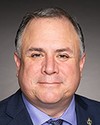
Gord Johns  NDP

Introduced as a private member’s bill. (These don’t often become law.)

Status

Outside the Order of Precedence (a private member's bill that hasn't yet won the draw that determines which private member's bills can be debated), as of June 10, 2025

Subscribe to a feed (what's a feed?) of speeches and votes in the House related to Bill C-206.

Summary

This is from the published bill.

This enactment provides for the development of a national strategy to support and improve brain injury awareness, prevention and treatment as well as the rehabilitation and recovery of persons living with a brain injury.

Similar bills

C-277 (44th Parliament, 1st session) National Strategy on Brain Injuries Act
C-323 (43rd Parliament, 2nd session) The National Strategy on Brain Injuries Act

Elsewhere

All sorts of information on this bill is available at LEGISinfo, an excellent resource from Parliament. You can also read the full text of the bill.

Bill numbers are reused for different bills each new session. Perhaps you were looking for one of these other C-206s:

C-206 (2021) An Act to amend the National Defence Act (maiming or injuring self or another)
C-206 (2021) An Act to amend the Greenhouse Gas Pollution Pricing Act (qualifying farming fuel)
C-206 (2020) An Act to amend the Greenhouse Gas Pollution Pricing Act (qualifying farming fuel)
C-206 (2015) An Act to amend the Criminal Code (abuse of vulnerable persons)

Brain InjuryPetitionsRoutine Proceedings

June 17th, 2026 / 4:40 p.m.


See context

NDP

Gord Johns NDP Courtenay—Alberni, BC

Mr. Speaker, I want to thank all my colleagues for allowing that to happen.

Today is Brain Injury Awareness Day. It is an honour to table this petition on behalf of the families impacted by 165,000 new cases annually of brain injury in our country. They highlight that brain injury survivors face a 200% increased risk of struggling with addictions after sustaining a brain injury. Despite the federal government committing $11 billion over 10 years to improve community support in mental health and addiction services, none have been specifically targeted to brain injury.

The petitioners call on the government to support Bill C‑206, develop a national strategy to support and improve brain injury awareness prevention and treatment and the rehabilitation and recovery of persons living with a brain injury.

Brain InjuryStatements by Members

June 15th, 2026 / 2 p.m.


See context

NDP

Gord Johns NDP Courtenay—Alberni, BC

Mr. Speaker, June is Brain Injury Awareness Month, a time to recognize survivors, families, caregivers and first responders whose lives are forever changed by brain injury.

In Courtenay—Alberni, Amelia Hayden, a retired RCMP officer, knows this impact deeply. She was on duty the day Constable Gerry Breeze was injured, and she remained a source of support to his family throughout his recovery and after his passing. Their story reminds us why Canada needs a national brain injury strategy. It is why I introduced Bill C-206.

In the last Parliament, former MP Alistair MacGregor's bill passed unanimously at every stage to report stage but died because of prorogation. The call to action is non-partisan, and on Wednesday, June 17, as Canadians take part in a national pause for brain injury, we hope all parties will support a call for a national brain injury strategy in this fall's budget.

Brain InjuryPetitionsRoutine Proceedings

June 2nd, 2026 / 10:15 a.m.


See context

NDP

Gord Johns NDP Courtenay—Alberni, BC

Mr. Speaker, I am honoured to table a petition signed by many people across Vancouver Island and across Canada.

The petitioners highlight that approximately 165,000 new cases of brain injury are happening annually in Canada and that health and community service providers require more education regarding the intersection of brain injury, mental health and addiction.

The petitioners also highlight that survivors and families are often left to navigate fragmented systems, with little to no support, leading to further deterioration in health, housing and economic stability. They have been calling for this to be in the budget, and they are hoping it will in the budget this fall.

The petitioners also support Bill C‑206, my bill to develop a national strategy to support and improve brain injury awareness, prevention and treatment, as well as the rehabilitation and recovery of persons living with brain injury.

Brain InjuryPetitionsRoutine Proceedings

April 13th, 2026 / 3:10 p.m.


See context

NDP

Gord Johns NDP Courtenay—Alberni, BC

Mr. Speaker, I am tabling a petition on behalf of constituents of my riding of Courtenay—Alberni. They are citing that there are 165,000 new cases of brain injuries annually in Canada; that health and community service providers require more education regarding the intersection of brain injury, mental health and addiction; that the risk of suicide increases by 400% for a survivor of brain injury; that brain injury survivors face a 200% increase in risk of struggling with addictions after sustaining a brain injury; and that, despite the federal government's committing $11 million over 10 years to improve community support and mental health and addiction services, none are specifically targeted to brain injury.

The petitioners are calling upon the government to support my bill, Bill C-206, to develop a national strategy to support and improve brain injury awareness, prevention and treatment, as well as the rehabilitation and recovery of persons living with brain injury. Preferably, the petitioners would like this brain injury strategy implemented in the spring economic statement.

Brain InjuryPetitionsRoutine Proceedings

February 26th, 2026 / 10:05 a.m.


See context

NDP

Gord Johns NDP Courtenay—Alberni, BC

Mr. Speaker, I am honoured to table a petition from Canadians on Vancouver Island, from Victoria and Courtenay to Port Alberni and Parksville. They are all calling on the federal government to take leadership on brain injury awareness, prevention and treatment.

The petitioners note that brain injuries can occur in many ways, from accidents and sporting events to illnesses, strokes and overdoses, and they often result in serious physical, cognitive, emotional and behavioural effects. They would like to see better coordination between the provinces and the federal government on this issue.

The petitioners further point out that brain injuries are frequently linked to other challenges, including substance use and homelessness, and they create additional barriers for those affected. It is estimated that there are 1.6 million Canadians who are living with a brain injury today, yet there is no coordinated national response.

The petitioners call on the government to support my bill, Bill C-206, to develop a national strategy on brain injuries; to improve education, awareness and prevention; to ensure better access to treatment and rehabilitation; and to have better coordination and recovery supports for Canadians living with the impacts of brain injuries.

Brain InjuryPetitionsRoutine Proceedings

January 26th, 2026 / 3:20 p.m.


See context

Conservative

Michael Kram Conservative Regina—Wascana, SK

Mr. Speaker, I am pleased to have the opportunity to present a petition today on behalf of members of the Saskatchewan Brain Injury Association.

Approximately 2,200 people suffer a new acquired brain injury every year in Saskatchewan, with about 150 of those requiring significant long-term support. The most common causes of acquired brain injuries include strokes, falls and motor vehicle accidents.

In order to support people living with brain injuries, the Saskatchewan Brain Injury Association is encouraging all members of Parliament to support Bill C-206, an act to establish a national strategy on brain injuries.

Brain InjuryPetitionsRoutine Proceedings

December 10th, 2025 / 3:25 p.m.


See context

NDP

Gord Johns NDP Courtenay—Alberni, BC

Mr. Speaker, I rise to table two petitions.

The first is a petition from Canadians who are calling for urgent federal investment on brain injury awareness, prevention and treatment.

Petitioners note that brain injuries can occur in many ways, from accidents to illness and strokes, and often result in serious physical, cognitive, emotional and behavioural effects. They further point out that brain injuries are frequently linked with other challenges, including substance use and homelessness, creating additional barriers for people affected.

It is estimated that 1.6 million Canadians are living with a brain injury today, yet there is no coordinated national response. The petitioners therefore call upon the Government of Canada to support Bill C-206, the development of a national strategy on brain injuries, in order to improve awareness and prevention and to ensure better access to treatment, rehabilitation and recovery supports for Canadians living with the impacts of brain injury.

Marine Liability ActRoutine Proceedings

June 18th, 2025 / 3:20 p.m.


See context

NDP

Gord Johns NDP Courtenay—Alberni, BC

Mr. Speaker, I am rising regarding the establishment of a national strategy on brain injuries in Bill C-206.

There have been discussions between parties, and I am hoping, if you seek it, that we find agreement to adopt the following motion by unanimous consent: That notwithstanding any Standing Order or usual practice of the House, Bill C-206, an act—