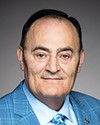
Thank you, Chair and members of the committee, for having me today and for giving me an opportunity to provide testimony as a witness in the study of the situation of 2SLGBTQ+ people from Uganda.
I am Christopher Nkambwe, a Ugandan by nationality. I fled the country in May 2019 and arrived in Canada in June 2019, where I began my journey as a refugee claimant. I am now a permanent resident in Toronto, Canada.
Four months after my arrival in Canada, I established The African Centre for Refugees in Ontario-Canada, where I serve as the executive director. The African Centre for Refugees in Ontario-Canada is a fully registered charity organization that supports vulnerable LGBTIQ+ refugees from the African continent and the Caribbean, providing wraparound support services from the time they enter the country until they are integrated into the Canadian setting. This year marks seven years of doing this work.
Chair, today I sit here before you as someone who was forcibly displaced because of my sexual orientation. Before and after the enactment of the Anti-Homosexuality Act, Uganda was and is known to have the cruelest laws in the world against LGBTIQ+ people. The situation is dire for those in Uganda and those outside Uganda in the refugee camps of Kakuma in Nairobi, Kenya, and Gorom in South Sudan. These people really need support.
This situation has further exposed members of the LGBTIQ+ community in Uganda to a vulnerable social and economic life. Many are unemployed because of the discrimination and persecution at workplaces. Many have been forced into exile to seek asylum in other countries, including Canada. Homophobia and transphobia are the order of the day. There have been widespread violations against LGBTIQ+ people in Uganda, mostly emanating from non-state actors, particularly in the communities they live in, and many of these violations remain unreported. The risks faced by LGBTIQ+ people in Uganda include evictions, forced marriages, physical assault, blackmail, legal persecution, discrimination and life imprisonment for the rest of one's life. As I speak now, health service delivery and access for LGBTIQ+ people in Uganda is very difficult after the funding cuts.
Chair, at the African Centre for Refugees in Ontario-Canada, we are concerned about the growing anti-rights movement across the world. We urge the Canadian government not to step back from its human rights commitments, but to continue voicing support for the protection of human rights, especially for the vulnerable groups of people in Uganda.
Enhance funding to the LGBTQ2I international assistance program, which is critical for strengthening LGBTI networks that are fighting to protect the human rights of LGBTI individuals from Uganda and those still living in the country.
In the Canadian high commissions in the East African region, consider establishing a permanent emergency rapid response mechanism for LGBTI people facing sudden anti-LGBTI crackdowns.
Engage with authorities in Kenya and South Sudan to urge them to ensure that LGBTI asylum seekers and refugees fully enjoy their rights to a fair and effective asylum procedure and to be protected from refoulement.
Provide rapid funding for response protection services—case management, emergency medical support, psychosocial first aid, legal aid triage and survivor-centred referral pathways—all with strict confidentiality.
Use diplomatic channels to press for effective investigation and prosecution of violence and hate crimes against LGBTI refugees, including misconduct by police and service providers.
Support Kenyan and South Sudan institutions and CSOs to develop hate crime documentation protocols for survivor-safe reporting channels, paired with legal aid.
Canada should urge countries in the region to remove discriminatory barriers to asylum.
Support emergency departures for extreme risk cases identified by UNHCR-trusted referral partners, especially those from Uganda.
Increase funding and slots under the government-assisted refugees program for resettlement pathways for high-risk Ugandan LGBTI refugees in Kenya and South Sudan to create an expedited channel for at-risk cases.
Increase funding to the national LGBTI organizations and their programs, which are critical in creating a welcoming environment for LGBTI individuals from around the world and from Uganda.
Exert diplomatic pressure on the Government of Uganda to repeal the repressive Anti-Homosexuality Act of 2023 and to protect its citizens from hate-motivated violence, no matter their sexual orientation or gender identity.
I am in Canada because of the compassion of the Canadian government. The individuals currently stranded in the camps and cities across East Africa need that compassion today. Canada's leadership, applied through existing mechanisms and informed by on-the-ground expertise, can create the pathways to protection that LGBTIQ+ Ugandans need.
Thank you, Chair.