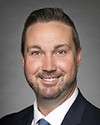
House of Commons Hansard #159 of the 45th Parliament, 1st session. (The original version is on Parliament's site.) The word of the day was medical.

Topics

line drawing of robot

This summary is computer-generated. Usually it’s accurate, but every now and then it’ll contain inaccuracies or total fabrications.

Medical Assistance in Dying Safeguards Act Second reading of Bill C-41. The bill would indefinitely exclude medical assistance in dying where mental illness is the sole underlying condition, while allowing advance requests for people with serious, incurable illnesses who may lose capacity. It proposes safeguards, including independent medical assessments and the ability to revoke consent. Members debate patient autonomy and protection, constitutional questions, and how federal rules should align with Quebec’s system and provincial health-care responsibilities. 17700 words, 2 hours in 2 segments: 1 2.

Statements by Members

Question Period

The Conservatives blame Liberal spending and taxes for rising inflation, grocery bills, and mortgage costs, calling for deficit restraint and diesel tax relief. They question the use of pension assets in debt calculations, criticize EU trade delays and tariffs, and raise concerns about ethics-screen secrecy, Indigenous commitments, and costly projects such as Alto.
The Liberals defend Canada's fiscal strength and investments in growth, trade diversification and major projects, while highlighting cost-of-living supports, school meals and housing construction. They promote deeper EU trade ties, Parks Canada modernization, safeguards for medical assistance in dying, a stronger national security plan and First Nations partnership.
The Bloc denounces planned Parks Canada job cuts, warning they threaten regional employment, tourism, and conservation, and calls for the decision to be reversed. It also opposes powering AI data centres with gas, arguing the fossil-fuel strategy undermines climate goals and warrants a moratorium.
The NDP accuse Liberals of fast-tracking Indigenous rights violations while delaying Indian Act sex-discrimination reform.
The Greens warn that Parks Canada job cuts threaten the government’s duty to protect parks for future generations.

Petitions

Was this summary helpful and accurate?

Bill C-41 Medical Assistance in Dying Safeguards ActGovernment Orders

October 30th, 2026 / 10 a.m.

Central Nova Nova Scotia

Liberal

Sean Fraser LiberalMinister of Justice and Attorney General of Canada and Minister responsible for the Atlantic Canada Opportunities Agency

moved that Bill C-41, An Act to amend the Criminal Code and An Act to amend the Criminal Code (medical assistance in dying) and to make related amendments to other Acts, be read the second time and referred to a committee.

Mr. Speaker, today I have the extraordinary privilege of commencing debate on the medical assistance in dying safeguards act. Medical assistance in dying is a deeply personal and highly complex issue for many Canadians. Many of us have experiences with the issue that have helped inform our perspectives. In some cases, we will hear the most heart-wrenching experiences a family can live through, dealing with the extraordinary loss of the ones they hold closest. In other circumstances, through the pain, we will hear some of the most heartwarming stories of how medical assistance in dying minimized the suffering of someone a family cares about and how it provided an element of closure through a time of great uncertainty and pain.

This is not an easy topic. Many families are contributing to this important national discussion by sharing their perspectives. There are some heart-rending examples, such as when someone loses a loved one. There are also other stories that show how important it is to protect families' ability to exercise some control in very difficult circumstances.

I recognize, as we go through this debate, that unanimity does not exist on an issue as sensitive as medical assistance in dying. There are different people who will agree or disagree with my point of view, but they hold those views reasonably and often for profound personal reasons. Although there is a range of opinions on a given issue, it is incumbent, in my view, on the Government of Canada to advance this agenda on the basis of what we believe is right and what we believe will best protect people who are vulnerable and who are living with irreversible illnesses, and, at the same time, to give agency to those who are suffering by providing them with some choice in how they transition away from this mortal world.

Over the course of my remarks, I want to have a conversation about the history of this important issue in Canada and address squarely the two central issues that are the theme of the legislation we are debating, namely circumstances where medical assistance in dying is sought on the basis of mental illness as the sole underlying medical condition and the separate issue of advance requests for people who are diagnosed with an irreversible illness and may lose the capacity to provide consent. The changes we are debating today have been the subject of extensive study, debate in Parliament and legal challenges before the courts, and we have confidence that through the process of engagement, we have established the position we believe will best serve the interests of Canadians.

I will begin by providing some background on this very important issue.

It has been a little more than a decade since medical assistance in dying was first the subject of, initially, a legal challenge that spurred legislative change. This created a framework in Canada that provided for the possibility of medical assistance in dying where a person's death was reasonably foreseeable and where they were living with intolerable suffering as a result of a serious and incurable disease.

After the legislation was adopted in the chamber in 2016, we saw subsequent challenges that made their way through the legal system in the country. That changed the limitations that existed in the legislation at the time to expand medical assistance in dying to people who did not have the imminent threat of death but nevertheless were living with an intolerable level of suffering and whose condition was irreversible. The House took action to respond to those legal challenges, which has created today's framework, a framework where someone may have access to medical assistance in dying when, in the opinion of medical professionals, they are living with an irreversible illness that is causing them to suffer intolerably.

There are two issues that have been injected into the debates in Parliament over the course of this trend and that continue to be the subject of significant legal disagreement. Those issues relate to mental illness and advance requests. I would like to start with a discussion on the issue of mental illness when it comes to medical assistance in dying.

I want to recognize the extraordinary challenges that people living with mental illness experience every day. We do not wish to diminish those experiences one iota as we have this important conversation. We wanted to ensure that we had a full and robust process to understand the different considerations that Parliament ought to consider as we make a decision on the future of medical assistance in dying when it comes to mental illness as the sole underlying medical condition.

As a result of the last debate in Parliament about five years ago, there was an exclusion of medical assistance in dying for cases involving solely mental illness. It was subject to a timeline that is set to expire in March of next year. Without action, this timeline will elapse, and the protections that are currently in place will evaporate.

In order to fully understand the consequences of such a decision and the considerations that should inform the next steps, Parliament struck a joint committee between the House of Commons and the Senate to study specifically this issue. I want to thank members of that committee for the work they have done. They did not necessarily share identical points of view, but they nevertheless contributed to an important conversation.

In a parallel way, my office engaged with experts, organizations and advocates to understand the perspectives of those who are living with irreversible conditions, and also to understand the perspectives of those who want to protect against people making a decision because the condition they are living with, though it may not be irreversible, is incredibly difficult. Through these conversations, we have determined that the best path forward is to maintain the exclusion for medical assistance in dying where mental illness is the sole underlying medical condition that would justify access to this health service. This is not a decision we take lightly, but we believe it is the right one. This process of debate will continue over the course of the coming weeks in Parliament and will hopefully provide some certainty in this conversation going forward.

The reasons cited in the report, which were reflected in our engagement over the course of the summer in particular, include some real concerns from the medical profession about a lack of consensus when it comes to the irremediable nature of mental illness. We have also heard clearly from Canadians the serious discomfort they hold in circumstances where they have inadequate access to mental health services at a community level, as we engage in a conversation about medical assistance in dying for people who would benefit from those services.

I want to recognize this profound suffering and demonstrate our willingness to work with provinces and territories to help improve the quality of services that are offered at a ground level, but at this point in time, we believe the correct approach is to maintain the exclusion that exists in the Criminal Code on an indefinite basis.

This is a really important conversation. People who are living with mental illness need support from their community and from the government, whether it be federal or provincial. However, after examining this issue, the government has decided to change the rule to avoid the circumstances that would come into effect next year.

Again, we are confident, from the process of engagement, that the right thing to do in the circumstance is maintain the exclusion indefinitely.

There is a separate key issue that has been central to debates in Parliament, academic study and public advocacy. This involves a conversation about the issue of advance requests. They concern a circumstance where a person is diagnosed with an irreversible illness that will cause extraordinary suffering and sadly will, at a certain point in time, predictably diminish the person's capacity to provide informed consent about something as important as life and death.

We have talked to patients who have been diagnosed early with one such condition. I am thinking in particular of the people I have discussed this issue with who have been diagnosed with Alzheimer's. The pain that they experience personally is one part of the equation on their mind. They fear that they will lose themselves, cease to know their families or potentially become violent toward the ones they love or the ones who provide them care, consequences that they do not wish to live with. They want to recognize who they are at the time of their passing. This is a choice that we wish to provide to Canadians who wish to make that decision for themselves.

We will be taking steps to allow for safeguards that would create the ability for people to provide consent while they still have the capacity to do so upon certain conditions that will develop as they approach the end of their life. This is a difficult conversation, but it is a difficult conversation for people who receive this diagnosis with or without the presence of medical assistance in dying. What we aim to do is reduce pain and suffering and reduce the difficulty that people experience by providing some agency to a person who feels like they have lost it as a result of their health concerns.

In order to protect those who are diagnosed with such illnesses and are considering access to medical assistance in dying, I want to reassure this House that the conditions that are required for medical assistance in dying more broadly will continue to apply and that we will introduce new safeguards in this legislation and by working with provinces. Specifically, we will maintain the requirement that the condition of intolerable suffering, the irremediable nature of a disease and the advanced state of decline are all present in the opinion of medical professionals.

I want to take a moment to address some pieces of misinformation that I have seen online and in public conversations since we made the announcement of the direction in which we would be moving.

There is some concern that a person who is content or happy, despite the fact they may be living with a serious illness, would somehow be subjected to MAID. In some instances, this misinformation would suggest they are subjected to MAID without their consent. Nothing could be further from the truth. By maintaining the requirement that there be intolerable suffering agreed upon by multiple medical professionals, there is no possibility that a person who is living peacefully or happily and is not suffering intolerably would somehow have access to medical assistance in dying.

In addition to these conditions, we would introduce new safeguards in the Criminal Code to help offer protections to Canadians. They would include the requirement that there be two medical assessors who independently arrive at the conclusion that the conditions outlined in an advance request are met, as well as the conditions required by the Criminal Code.

We would also require that the process be the subject of provincial legislation that governs how services are actually administered in provincial health care systems. We would specifically require in this legislation that the provincial legislation create a repository to store and maintain the advance requests that are made, allow people to make changes to the conditions included in those advance requests and, importantly, provide the ability for an individual to revoke their consent at any point in time, which would end the efficacy of the advance request that was previously put in place.

In addition, we would create new rules that would add additional safeguards, including specifically where there may be ambiguity from a person who may be approaching the end of their life as to whether they continue to provide consent to medical assistance in dying. Where there is any doubt in the view of either of the medical professionals who are mandated to take part in the process, a mandatory waiting period of 30 days would be put in place to ensure the opportunity to revisit this important conversation.

There is a major concern with regard to advance requests in the case of people who are living with a mental illness that not only causes them suffering but also impairs their capacity to give consent when they are unwell. We need to create a new rule to ensure that people who want to make a choice to avoid the consequences of their illness can do so. This is a choice based on their values. These people want to be able to end their lives to spare themselves and their families the consequences of the illness.

The existing conditions for MAID will be maintained. However, we are adding other safeguards to protect people who are more vulnerable, because such protection is sometimes necessary.

It is important to understand that we would not be creating today a new system of health policy decisions or new rules that consider the administration of medical assistance in dying as much as we shifting the criminal liability that will attach to medical service providers who participate in medical assistance in dying. With these protections we would be putting in place, we would ensure that the doctors who are seeking to respect the wishes of their patients at the end of their lives are no longer considered criminals under Canada's criminal law.

I should say that this exercise has been one that has created a great deal of respect for Canadian democracy in myself, my office and many of the parliamentarians who I have spoken to. We have, over the course of more than a decade, been able to engage with the legal system, the House of Commons and the Senate through parliamentary debates and joint studies between the two houses of Parliament, and with the ability of ordinary citizens to have access to the courts where they feel their rights have been infringed. This is a sign that democracy may work well as we sort through an issue in which there may not be unanimity or consensus but nevertheless allows us to arrive at decisions based on reasons, science, facts and evidence.

We have made this decision to move forward, but it will inevitably create an opportunity for the provinces to continue this conversation as they determine whether they will create a new framework for the provision of medical assistance in dying, in particular on the issue of advance requests. I am confident that we have taken the time to understand these issues and the reasons as to why we have put forward these new proposals. I look forward to seeing a new regime put in place that will help protect against some of the worst consequences of illnesses that people are living with in this country.

I would like to draw the House's attention, as I conclude, to certain comments I have seen in the public since the introduction of this legislation, including those from the family of Andrew Reid, who at 56 was diagnosed with a rare form of young-onset Alzheimer's called posterior cortical atrophy. Patients with this condition will lose their sight and their ability to walk. Andrew's wife Karina has become his caregiver. She said that grief is the ultimate form of love. Two years ago, Andrew sought MAID and was approved. She said that to be able to control his life, especially in what was coming up next, was extremely important, which is why they are supportive of this new legislation. Andrew said that he went into tears when he heard about the legislation and described it as a gift.

I would like to conclude with this. This is not the only circumstance where this request has been put to me. There are friends of mine who have been through this process. There was one who I spoke to a few weeks ago who lost her husband under similar circumstances who himself experienced what it was like to have a parent cease to remember that he was her family. By creating agency for people to make decisions about how they will transition from this world when they live with incurable illnesses, we can do right by families who are going through the most difficult period of their lives.

It was a pleasure to take part in today's debate.

Bill C-41 Medical Assistance in Dying Safeguards ActGovernment Orders

10:20 a.m.

Conservative

Leslyn Lewis Conservative Haldimand—Norfolk, ON

Mr. Speaker, I thank the minister for his speech and the tone of his speech. There are so many people in Canada who are very interested in this subject.

When I was a lawyer, I often had to take people's directives, when doing a will, of what they wanted if they ended up in a situation where there was no prospect of recovery, they were on life support and their life was completely diminished. They set those standards, and it was very clear to a practitioner what those standards were.

My question for the minister is, what happens when those standards are not there? Who is the arbiter of a person's life? Who makes those decisions, whether a person can live or die at that particular time, when they do not have the capacity to do that?

Bill C-41 Medical Assistance in Dying Safeguards ActGovernment Orders

10:20 a.m.

Liberal

Sean Fraser Liberal Central Nova, NS

Mr. Speaker, I think my hon. colleague's question gets to the crux of the very issue that is the subject of the debate around advance requests today.

The answer to her question, as to who decides, is the patient themselves. The issue that we are trying to solve is the fact that there is a person who may have wishes, who would be eligible for medical assistance in dying based purely on the physical harm that they are suffering, the intolerable suffering, the irreversible nature of their illness and the advanced state of decline, but who will lose the capacity to make a decision for themselves to receive a service for which they would otherwise be eligible.

The policy solution that we are advancing allows that person to outline, with a great degree of specificity, the very conditions under which they would wish to have access to medical assistance in dying. In addition to that person specifically having the opportunity to provide consent under certain conditions, those conditions would need to be agreed upon by the medical professionals who are assessing access to medical assistance in dying overall. This is all about consent for the individual themselves.

Bill C-41 Medical Assistance in Dying Safeguards ActGovernment Orders

10:20 a.m.

Bloc

Yves Perron Bloc Berthier—Maskinongé, QC

Mr. Speaker, we in the Bloc Québécois have a major concern. We fear that the Canadian law will become more restrictive than the existing law in Quebec. As members know, Quebec is a leader in this area.

I would like to draw the minister's attention to the fact that, under the Quebec law, an assessment is made to determine whether a person's suffering is intolerable before MAID is permitted. The federal law states that MAID will not be provided if a person's suffering can be relieved through reasonable means. The previous question was about who will make this decision. The Bloc Québécois is very concerned about who will make this decision.

Is the minister open to sitting down with our critic to further examine this issue and make the necessary amendments to the bill?

Bill C-41 Medical Assistance in Dying Safeguards ActGovernment Orders

10:20 a.m.

Liberal

Sean Fraser Liberal Central Nova, NS

Mr. Speaker, I will definitely need to continue this discussion with my colleague from the Bloc Québécois, because I disagree with the substance of his comments and need to provide further clarification.

I do not believe the law currently in force in Quebec needs to be amended, since there is no conflict. What is more, the new bill includes the words “intolerable suffering”, which is essentially the same thing. If some clarification is needed, I would be very happy to discuss that, because it is essential to collaborate with the province that offers these services. I think there are opportunities to clarify some of the details to ensure that the bill does not conflict with the legislation in la belle province.

Bill C-41 Medical Assistance in Dying Safeguards ActGovernment Orders

10:25 a.m.

Liberal

Darren Fisher Liberal Dartmouth—Cole Harbour, NS

Mr. Speaker, I want to thank the minister for bringing forward this legislation.

Many years ago, I delivered a speech in this House on Audrey Parker, and it was by far the most difficult thing I have ever had to do in my 11 years in the House of Commons.

My question to the minister is, how did stories of great Canadians like Audrey Parker, and the minister mentioned a couple others in his speech, and the impact that MAID had for them influence the outcome of this legislation that he is bringing forward today?

Bill C-41 Medical Assistance in Dying Safeguards ActGovernment Orders

10:25 a.m.

Liberal

Sean Fraser Liberal Central Nova, NS

Mr. Speaker, I remember very well the speech that the member gave about Audrey Parker. In fact, it was one of the first occasions I heard debate in the House on the issue of advance requests, and I remember, through tears, his ability to deliver something so impassioned that it moved me.

I have had the opportunity to sit down with families who have been through experiences with medical assistance in dying and people who wished they had access to it. In one instance, I had the opportunity to sit at the kitchen table with a man, who is no longer with us, who explained to me what it was like to see his mother who was diagnosed with Alzheimer's cease to know that he was her son. He, sadly, was diagnosed with the same condition. He asked me, should I ever have the opportunity before I found myself in this position, to consider advancing changes to the laws to provide certainty for him that he would not subject his children to the same pain that he lived through.

These stories change us as people. They cause us to look at issues from a perspective that we did not experience ourselves, but this places upon us the weight of the responsibility for a decision that is seriously about life and death. As such, to the member's point, the stories are how people experienced these laws, and they are absolutely everything, as they communicate the importance of these issues.

Bill C-41 Medical Assistance in Dying Safeguards ActGovernment Orders

10:25 a.m.

Bloc

Marilène Gill Bloc Côte-Nord—Kawawachikamach—Nitassinan, QC

Mr. Speaker, the Association québécoise pour le droit de mourir dans la dignité has raised a number of concerns about the bill, including the permanent exclusion from eligibility on the basis of a mental illness alone. I would like to know how the minister would respond to this organization's concerns.

Bill C-41 Medical Assistance in Dying Safeguards ActGovernment Orders

10:25 a.m.

Liberal

Sean Fraser Liberal Central Nova, NS

Mr. Speaker, I have had many conversations on the issue of mental health as the sole basis for authorizing medical assistance in dying. Following these conversations, I reflected on the issue. I do not think there is unanimity on whether mental illness is irremediable.

I have also had many conversations with people who have no access to mental health care services in their community. I have listened to different points of view. I want to make sure that care services are available in communities before the government considers moving forward with the bill in the way that the member suggests. In my view, respecting the opinions of the people who need to use these services is essential; they have a lot of questions about the nature of mental illness.

I take seriously those perspectives. I thought deeply about it, and in the presence of a lack of consensus on the irremediable nature of mental illnesses and a lack of mental health services in communities, we have determined that maintaining the existing exclusion on an indeterminate basis is the correct path forward.

Bill C-41 Medical Assistance in Dying Safeguards ActGovernment Orders

10:25 a.m.

Conservative

Ziad Aboultaif Conservative Edmonton Manning, AB

Mr. Speaker, today I remember a friend of mine, Alex Tsang, who accessed the system three years ago, and it was a very difficult moment for him and his family. I visited with him at his place hours before he went to take the procedure. The question remains in the mind of all Canadians, and that is about justice, when it comes to this important bill that we have been visiting over and over since 2016. I have been here for 11 years.

The question to the minister is this: How can we ensure for vulnerable Canadians, veterans and others with mental illness, that this new legislation would provide that justice that they are looking for?

Bill C-41 Medical Assistance in Dying Safeguards ActGovernment Orders

10:30 a.m.

Liberal

Sean Fraser Liberal Central Nova, NS

Mr. Speaker, I express my condolences on the loss of a friend. It is an experience I have shared with a friend of my own who, shortly before he passed, knowing when it would take place, had the opportunity to welcome us for one final time, to tell stories, to share jokes and to even have a shot of whisky days before he passed. It provided a level of closure for him and for his friends, including me.

It is hard to discuss death in the context of justice, because it does not feel just when a person falls ill. It does not feel just when they must pass before their time, but we must turn our minds to the justice angle that would protect people against harms that may result, should a procedure be granted without proper protections in place.

Ensuring that we insist upon diseases being irremediable, ensuring that there is intolerable suffering and ensuring there are multiple medical assessors who agree on the conditions that must be met before a procedure can be offered, are all baked into the law. In addition, we would be creating a system that would allow people to revoke their consent or change their conditions at any point in time. This is an important conversation. I see I have run out of time, but I thank the member sincerely for his question.

Bill C-41 Medical Assistance in Dying Safeguards ActGovernment Orders

10:30 a.m.

Liberal

Stéphane Lauzon Liberal Argenteuil—Papineau—Des Collines, QC

Mr. Speaker, this is an extremely controversial issue. It is an issue I have discussed around my kitchen table. It was difficult to reach a consensus between my wife and my three daughters. As the minister has said on several occasions, these were difficult decisions.

Can the minister tell us how important it is to introduce a bill like this for Canadians who have difficult decisions to make?

Bill C-41 Medical Assistance in Dying Safeguards ActGovernment Orders

10:30 a.m.

Liberal

Sean Fraser Liberal Central Nova, NS

Mr. Speaker, the member is right; not everyone shares the same point of view. That is why we have created options for people living with a permanent and incurable condition. Partners do not necessarily have to share the same perspective, because one person's choice may differ from another's. For me, it is essential to create opportunities for everyone to have their own perspective.

I know that not everyone is in agreement, but in the face of a lack of consensus, we believe we have found the correct path forward that will offer protections for the vulnerable and agency for the sick.

Bill C-41 Medical Assistance in Dying Safeguards ActGovernment Orders

10:30 a.m.

Conservative

Costas Menegakis Conservative Aurora—Oak Ridges—Richmond Hill, ON

Mr. Speaker, I rise today to speak to Bill C-41, the medical assistance in dying safeguards act, undoubtedly a matter of profound moral weight and a subject that touches on the core of our humanity, our duty of care and our responsibilities as legislators. Few issues before this House demand as much solemn reflection, unyielding principle and careful constitutional stewardship as medical assistance in dying.

Our core priority as Conservatives has been clear from day one and will continue to be about protecting vulnerable Canadians and ensuring that robust, clear and uncompromised safeguards are in place surrounding consent and patient safety. Canadians must be able to trust that any decision regarding MAID is strictly voluntary, fully informed and completely free of pressure, subtle coercion or undue influence from any outside source. However, as we examine the current trajectory of MAID expansion and the legislative proposals before us surrounding advance requests, serious legal, ethical and practical questions arise. These are questions that we, as elected representatives of the people, cannot afford to sweep aside or ignore for the sake of political convenience.

Allowing individual provinces and territories to decide independently on whether to permit advance requests risks creating a deeply confusing, fractured patchwork of systems across Canada. I do not want to digress, but we can point to many examples that speak to exactly that, where we have mayhem when too many people and too many jurisdictions have control over similar things. Quite often, it is not in the national interest and not in the interest of Canadians.

Back to this legislation, such fragmentation would only serve to increase inequity in MAID access, while simultaneously weakening standardized oversight. Canadians deserve the same baseline protections and safety guarantees, regardless of the province or territory in which they reside. Leaving essential aspects of advance requests to a mosaic of provincial legislation raises deeply concerning prospects of inconsistent safeguards across our country.

Furthermore, the proposed decriminalization of advance requests introduces deeply contested legal and ethical considerations that our legal framework is ill prepared to manage. Advance euthanasia requests would introduce heightened and unprecedented risks for both patients and health care providers, including the irreversible and devastating risk of wrongful death. Consider the fundamental, irreconcilable challenge of consent. How can consent be truly protected when a person can no longer communicate their current living wishes? A decision taken and recorded years or even decades earlier in a legal document may not reflect how that same individual feels today. Human circumstances change, perspectives shift, and human resilience in the face of hardship often surprises us.

Advance MAID requests must not be allowed to remain valid indefinitely without mandatory regular review, renewal and re-evaluation. Equally dangerous is the reality that under this proposed advance request model, health care practitioners would effectively be forced to substitute their own subjective judgment to determine whether a patient's suffering has become intolerable at a time when the patient can no longer express how they actually feel.

No Canadian should ever receive MAID because someone else, whether a doctor, a family member, a bureaucrat, a politician or anyone else, believes their suffering has become unbearable. Disability, dependence or declining health should never be treated as proof or justification that a person's life is no longer worth living. Our legal safeguards must explicitly protect vulnerable Canadians from ageist or discriminatory assumptions about their quality of life. If there is ever any doubt about whether someone is actively refusing MAID, their life must come first if they express reluctance in any way. A simple 30-day waiting period is no substitute for a thorough independent assessment when genuine uncertainty exists. Parliament must be fully satisfied that safeguards can reliably protect people who are no longer able to speak up or advocate for themselves.

We must also directly confront the broader scope of MAID's expansion into health care domains where safety cannot be guaranteed. Canadian legal and health care systems are simply not equipped to respond safely to the expansion of MAID where mental illness is the sole underlying medical condition. For years, Conservatives have stood firm on this critical point, advocating for caution and medical responsibility. I am pleased that the Special Joint Committee on Medical Assistance in Dying finally aligned itself with Conservative leadership in recognizing that mental illness as the sole underlying condition should be indefinitely paused. Maintaining that exclusion explicitly recognizes the significant unresolved safety concerns surrounding these complex clinical cases.

My colleague the Conservative member of Parliament for Cloverdale—Langley City took concrete legislative action on this issue by introducing a private member's bill, Bill C-218. Her bill would have amended the Criminal Code to permanently repeal the scheduled expansion of the MAID program for mental illness as the sole underlying condition. Unfortunately, and for reasons very difficult to defend, the Liberals voted against it. We must ensure that our national laws offer treatment, comprehensive psychiatric support, compassion and hope to those facing severe mental health struggles instead of an administrative avenue to simply end their lives.

To restore trust and ensure strict accountability across the entire medical system, Conservatives have consistently advocated for stronger federal monitoring and comprehensive public reporting. We need minimum national standards for MAID oversight, updated clinical guidance, training for practitioners and an urgent, thorough review of the effectiveness and real-world enforceability of current safeguards. To that end, Canada should establish an independent national MAID oversight commission modelled after Quebec's framework to review individual cases, monitor strict compliance with legal standards and publish detailed annual reports for the Canadian public.

At the absolute heart of the debate is a basic moral promise that no Canadian should ever feel that MAID is their only available option because they cannot access proper medical care, affordable housing or adequate social support. Vulnerable Canadians deserve real care, robust protection and genuine hope. They should never be offered MAID as a tragic substitute for basic social and medical support that their governments have failed to provide. Governments must prioritize and ensure meaningful, universal access to high-quality palliative care, disability supports, specialized housing and mental health services in every community across this country.

Our laws reflect our core social values. When citizens are at their most vulnerable, such as when they are sick, aging, living with disabilities or facing severe personal hardship, they need to know that their country values their existence and that we stand by them. Let us ensure that our national legislation upholds human dignity, strengthens national safeguards and unequivocally puts the protection of human life first.

Bill C-41 Medical Assistance in Dying Safeguards ActGovernment Orders

10:40 a.m.

Liberal

Judy Sgro Liberal Humber River—Black Creek, ON

Mr. Speaker, a lot of thought went into my colleague's comments. I think we all share the same objectives, which is why this particular legislation is being brought forward, so that at this particular time, people who are suffering from mental illness would not have access to MAID. Part of the additions in this proposed legislation are to make sure there are other areas where we can put in further protections for people.

None of us want to see anybody denied their rights as a Canadian. We want to ensure they not only have the maximum amount of protection necessary, but also receive the services. In the last couple of years, there has been a lot of emphasis put on mental health, finally. A lot of funds have gone to the provinces. A lot more help is available, but it is still not enough. I would hope that people suffering from mental illness would not have to look to MAID any time, not now or ever in the future, because they could get access to the kind of health care they need.

I would like my colleague to comment on what he thinks is adequate health care when it comes to mental health.

Bill C-41 Medical Assistance in Dying Safeguards ActGovernment Orders

10:40 a.m.

Conservative

Costas Menegakis Conservative Aurora—Oak Ridges—Richmond Hill, ON

Mr. Speaker, the hon. member's question was very thoughtful. We welcome the exclusion of mental illness as the sole underlying condition, but serious questions still remain. That addresses the first part of the member's question.

On the second part, I think it is incumbent upon the government, and upon all of us as legislators, to ensure the proper health professionals, social services and housing, all of the issues that are important to fundamental dignity and life for all Canadians, are available to them. We need to focus on improving those services rather than having an easy out where someone can opt for MAID. We are playing with a very deep moral, ethical and, in some cases, religious issue here. It is much more important that we focus on providing adequate services to people rather than legislation such as this.

Bill C-41 Medical Assistance in Dying Safeguards ActGovernment Orders

10:45 a.m.

Bloc

Yves Perron Bloc Berthier—Maskinongé, QC

Mr. Speaker, there is no doubt that medical assistance in dying must be properly regulated. Everyone agrees on that. It must not be administered haphazardly, regardless of the circumstances. However, most of the conditions that this federal legislation seeks to establish are related to health care, and health care falls under the jurisdiction of the provinces and Quebec.

Does my colleague agree that the federal framework should allow for the provision of medical assistance in dying under the Criminal Code and leave it to the provinces and Quebec to then define the details?

Bill C-41 Medical Assistance in Dying Safeguards ActGovernment Orders

10:45 a.m.

Conservative

Costas Menegakis Conservative Aurora—Oak Ridges—Richmond Hill, ON

Mr. Speaker, it is a slippery slope when we start passing on our responsibility as federal legislators and including more and more legislative bodies across the country to have the provinces to weigh in and have jurisdiction over something as important as this, especially the specific details of this particular legislation.

We have seen other matters of jurisdiction across the country that have been disseminated down to the provinces, and we have seen how that has not worked effectively. This is something of profound moral interest to all Canadians, and I do not believe in including provinces, giving them additional responsibilities and having them weigh in on this without clear federal oversight. The things that need to be addressed in this particular legislation should be passed on to the provinces.

Bill C-41 Medical Assistance in Dying Safeguards ActGovernment Orders

10:45 a.m.

Conservative

Ziad Aboultaif Conservative Edmonton Manning, AB

Mr. Speaker, my colleague mentioned Bill C-218, which sought justice and protection for people with mental illness from the expansion of this bill. If he does not mind, I wonder if he could elaborate on what he meant by that and why the bill was necessary to protect vulnerable Canadians.

Bill C-41 Medical Assistance in Dying Safeguards ActGovernment Orders

10:45 a.m.

Conservative

Costas Menegakis Conservative Aurora—Oak Ridges—Richmond Hill, ON

Mr. Speaker, I want to thank the hon. member for sharing a very personal and passionate story about his personal experience with a close friend of his who he had to unfortunately say goodbye to. It is something that touched him profoundly and he shared it with us here in the House.

Mental illness is a big subject. It encompasses a whole bunch of different people who have mental illness for a whole variety of reasons, and there is a process to get through that. To give them the option of MAID at a time when they are at the lowest in their lives, when they feel there is no future for them, whether it is health-related or otherwise, makes absolutely no sense. Excluding it from the legislation through the legislation my colleague put forward in the House was mandatory and needed. Unfortunately, the government voted against it.

Bill C-41 Medical Assistance in Dying Safeguards ActGovernment Orders

10:45 a.m.

Winnipeg North Manitoba

Liberal

Kevin Lamoureux LiberalParliamentary Secretary to the Leader of the Government in the House of Commons

Mr. Speaker, I would like to be able to quote an article that was written by Stefanie Green, who is the main practitioner and founding president of the Canadian Association of MAiD Assessors and Providers.

It reads:

As a practitioner...I can tell you that...if I can tell someone they are eligible for an assisted death, regardless of if they ever pursue one or not, I see their suffering reduced. Rather than feeling helpless, they become empowered with choice. And in that remarkable moment, I watch them almost immediately stop focusing on how they are going to die, which is something they have been so fearful of, and begin to concentrate instead on how they plan to live for the time they have remaining.

I am just wondering if the member could provide his thoughts on that particular quote.

Bill C-41 Medical Assistance in Dying Safeguards ActGovernment Orders

10:50 a.m.

Conservative

Costas Menegakis Conservative Aurora—Oak Ridges—Richmond Hill, ON

Mr. Speaker, Bill C-41 is before us. I think it is incumbent upon us to discuss it in full detail in the context of what it means for people who are at the end of their life or who are very close to people who are at the end of their lives. I think we need to carefully examine this piece of legislation. We need to consult medical professionals, legal experts, families, veterans and people living with disabilities and listen to them. We need to bring it to committee, discuss it, discuss it here in the House and propose amendments. The government has not been forthcoming in welcoming amendments from other parties in the House. With legislation like this, I think it is important that the government listens to not only what its members think, but also what other people think as well.

We are the voice of the people in the House. We should listen to the experts who give us advice and make this legislation as strong and as foolproof as possible, because we are talking about the most important thing for all of us, which is life.

Bill C-41 Medical Assistance in Dying Safeguards ActGovernment Orders

10:50 a.m.

Conservative

Branden Leslie Conservative Portage—Lisgar, MB

Mr. Speaker, I appreciate that this is a difficult subject. Many of us, if not all of us, have had a loved one who has struggled with mental illness or aging challenges such as dementia. My concern is trying to understand whether or not these safeguards are going to be enough in this law.

My colleague just pointed out the importance of life. I am curious about his thoughts on how best we go about ensuring that the government is willing to listen to those experts and help us understand what the necessary safeguards are to make sure the rules in place are actually achieving their intended results.

Bill C-41 Medical Assistance in Dying Safeguards ActGovernment Orders

10:50 a.m.

Conservative

Costas Menegakis Conservative Aurora—Oak Ridges—Richmond Hill, ON

Mr. Speaker, our party, the Conservative Party, has advocated for stronger federal monitoring and public reporting. I want to thank the member for his question because it gives me an opportunity to say that I think we should all believe that there should be minimum national standards for MAID oversight. We should have updated guidance and training and a review of effectiveness and enforceability of current MAID safeguards. This needs to be ongoing. It needs to be serious. We need to look at it and ensure that oversight is there, and that we absolutely, at all times, ensure that the person has their choice up to the very last second. This legislation, for example, would allow someone to make a decision decades earlier, but decades later, they may have changed their mind. We cannot go by that. Safeguards are very important in ensuring that we preserve the will of the person whose life is at stake.

Bill C-41 Medical Assistance in Dying Safeguards ActGovernment Orders

10:50 a.m.

Bloc

Yves Perron Bloc Berthier—Maskinongé, QC

Mr. Speaker, before I begin, I would like to seek the unanimous consent of the House to share my time with my highly esteemed colleague from Côte-Nord—Kawawachikamach—Nitassinan.