Hay čxʷ q̓ə.
Good morning. Welcome, m̓i ce:p kʷətxʷiləm and bonjour, honourable members of the Standing Committee on Indigenous and Northern Affairs.
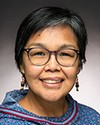
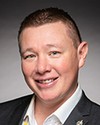
Chemkwaat tə nə skʷix. Təl̓i cən ʔəƛ̓ scəw̓aθən. My name is Chemkwaat, and I'm from Tsawwassen First Nation. My English name is Valerie Cross, and I'm an executive councillor at Tsawwassen First Nation. I'm also the Squiqel, the Speaker, for our Legislative Assembly.
I want to extend a great thank you for the invitation to appear before you and the opportunity to express our nation's strong support for Bill C-10. I also want to acknowledge the Creator and give thanks for another beautiful day on mother earth. We are so blessed to live in the lands that we do.
For context, Tsawwassen First Nation is located on the southwest corner of British Columbia where the Fraser River meets the Salish Sea. I am incredibly proud to say that our nation was one of the first to negotiate a treaty under the BC Treaty Commission process, and we have risen to the unique challenge of being the only urban modern treaty nation in Canada. With our treaty, we have reclaimed our own laws, we've rebuilt our governance and institutions and we've created new economic development opportunities to support the well-being of our members.
The story of the Tsawwassen First Nation and the Tsawwassen treaty is a success story, but this journey has not been without its challenges. Like many other witnesses who have appeared before this committee, we have faced barriers to having our treaty fully implemented by our federal partners.
Over the past 17 years, we've devoted considerable resources to working with the federal government to resolve treaty implementation issues through our preferred methods of dialogue and collaboration, rather than relying on litigation. While we strive to resolve our implementation issues through constructive dialogue, this approach has not always been successful.
For example, our nation continues to encounter challenges with the Department of Fisheries and Oceans, which has been unwilling to learn or work directly with the Tsawwassen First Nation on the management of crab and salmon, traditional foods that have sustained our people since time immemorial. We've also faced challenges respecting the implementation of the periodic review of our treaty, a process intended to ensure that our treaty is a living agreement that can grow and evolve alongside the needs of our community.
Examples like these are why we have been strong advocates for the creation of the commissioner for modern treaty implementation since 2009, when our treaty came into effect and our nation joined the Land Claims Agreements Coalition. I also want to be clear that the treaty implementation issues we have faced have not been limited to the actions of one particular government. These challenges are structural and have persisted across all governments, led by multiple political parties.
I'm here today because Bill C-10 represents an opportunity to overcome these challenges and to ensure that our treaties are respected as the living agreements they were always intended to be. This co-developed and co-drafted piece of legislation is the product of decades of hard work both by members of the Land Claims Agreements Coalition and by our federal partners.
Through Bill C-10, we will finally have the independent oversight body that has long been needed to hold the federal government accountable to Parliament in respect of modern treaty implementation. The creation of a commissioner for modern treaty implementation will improve accountability by reporting on implementation across the entire federal government, identifying implementation barriers early and publicly, issuing guidance to ensure clarity and consistency across agreements and ensuring that Parliament and the members of this committee receive the evidence needed to hold the government accountable.
I like to think of the Auditor General as a general practitioner and the commissioner as a specialist surgeon. The Auditor General audits hundreds of departments. Indigenous treaties are often just a footnote in a massive report on government spending. The modern treaties are constitutional law, not just program spending. The commissioner would provide a deep legal and cultural literacy that's required to understand whether the treaty spirit is being met, which a financial auditor is simply not trained to do.
I firmly believe the commissioner would make sure the federal government consistently delivers on the commitments Canada has already made in our constitutionally protected treaties. I also believe that successful implementation will not only benefit indigenous people, but benefit all Canadians by creating a greater certainty of rights, strengthening partnerships and building an environment that supports greater economic development. High tides raise all boats.
For these reasons, I urge all members of this committee and all parliamentarians to support Bill C-10 in its current form.
I also want to add a small comment. If we always do what we've always done, we'll always get what we have always got. It's time for a change. It's time to invest in the opportunity for this change. We all have a role to play in holding government accountable to the commitments made in modern treaties.
Honourable committee members, I hope we can count on you.
Hay čxʷ q̓ə. Thank you.